Aldgate East station flats rubbish removal guide
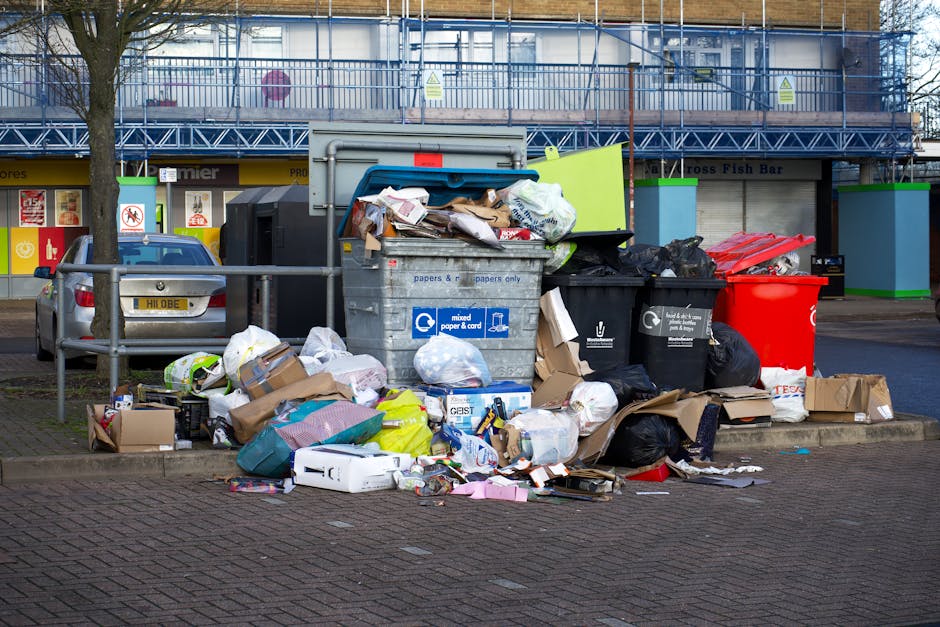
If you live in a flat near Aldgate East station, rubbish can pile up faster than you expect. One broken wardrobe, a couple of old bags in the hallway, maybe a mattress you have been meaning to deal with for weeks, and suddenly the place feels cluttered, awkward, and a bit stressful. This Aldgate East station flats rubbish removal guide walks you through the practical side of clearing waste from apartments in and around the station area, including what to remove, how to plan it, and how to avoid the usual headaches.
The goal is simple: make flat clearance feel manageable. Whether you are clearing after a move, dealing with renovation debris, or just trying to reclaim your living room floor, a good plan saves time, reduces risk, and helps you choose the right service. Let's keep it straightforward.
Why Aldgate East station flats rubbish removal guide Matters
Flat living around Aldgate East comes with its own rhythm. Buildings are busy, entrances can be narrow, stairwells can feel tight, and lift access is not always a given. That makes rubbish removal more than a simple matter of "get it out of the flat". You often need to think about timing, access, neighbours, building rules, and the type of waste involved.
There is also the everyday reality of London flats: not much storage, a lot of turnover, and limited patience for mess. If rubbish sits for too long, it can create odours, attract pests, block communal areas, or get in the way of moving furniture. To be fair, nobody wants a sofa wedged in the hallway on a Friday evening.
This matters even more if you are in a rental property. End-of-tenancy clearances, landlord inspections, and sales viewings all go much smoother when the flat is clean, decluttered, and free from leftover junk. A tidy flat can make the difference between a stressful handover and an easy one.
Expert summary: In flat clearance, the job is not just removing waste. It is removing it safely, discreetly, and with as little disruption as possible.
How Aldgate East station flats rubbish removal guide Works
In practical terms, rubbish removal for a flat usually follows a few clear stages. First, you identify what needs to go. Then you sort it into categories, check whether anything requires special handling, and decide whether you can carry it out yourself or want a professional team to handle the heavy lifting.
A good service will typically assess access, estimate volume, and plan the collection so it fits the property layout. That might mean navigating stairwells, protecting communal flooring, or coordinating a short collection window. If you have ever carried a dismantled bed frame down four flights while holding a door open with your elbow, you will know why planning matters.
For flats near a station, timing is often as important as the removal itself. Early mornings, lunch hours, and quiet late-afternoon slots may work better than busy commuter times. In shared buildings, the less disruption the better.
If the waste is mixed, responsible sorting becomes part of the job. Household junk, furniture, appliances, builders' debris, and potentially hazardous materials should not all be treated the same way. For items that need dedicated handling, relevant service pages such as flat clearance, furniture disposal, and fridge and appliance removal are useful starting points.
Key Benefits and Practical Advantages
The main advantage of organised rubbish removal is obvious: you get your space back. But there are several less obvious benefits that matter just as much.
- Less physical strain: Carrying bulky items down stairs is where people strain backs, knees, and shoulders. A proper removal plan reduces that risk.
- Faster turnaround: What could take a whole weekend may be done in a single collection.
- Cleaner communal areas: In apartment blocks, less time spent moving items through hallways means less mess and fewer complaints.
- Better presentation: If you are selling, letting, or handing back keys, a clear flat looks calmer and more appealing.
- More responsible disposal: Sorting items properly gives them a better chance of being reused, recycled, or handled in line with best practice.
There is also the mental side of it. A cluttered flat can make everything feel unfinished. Once the rubbish goes, the place usually feels lighter. That sounds simple, but it really does change how a home feels at the end of a long day.
Who This Is For and When It Makes Sense
This guide is for anyone dealing with waste in a flat near Aldgate East station, but some situations come up again and again.
- Tenants moving out: Old furniture, broken items, and general clutter need clearing before the checkout date.
- Landlords and letting agents: A flat left with rubbish after a tenancy often needs quick, discreet attention.
- Homeowners: Renovation debris, loft overflow, or years of stored items can creep up on you.
- Students or sharers: Shared flats often accumulate items nobody really claims.
- People downsizing: When space shrinks, bulky waste becomes more visible, and more annoying.
It also makes sense if you simply want a reset. Not every clearance is dramatic. Sometimes it is one old mattress, two chairs, and several bags of "I'll sort that later". Later has a habit of becoming next month.
Step-by-Step Guidance
Here is the cleanest way to approach a flat rubbish removal job without overcomplicating it.
- Walk through the flat room by room. Make a list of what is staying and what is leaving. Be honest. That lamp with the broken shade? Probably not coming back to life.
- Separate waste types. Put furniture, appliances, general rubbish, textiles, cardboard, and hazardous items into different groups where possible.
- Check access in advance. Measure wider items, note stair width, and think about lift availability, loading restrictions, and parking.
- Identify anything specialist. Items like fridges, some electricals, paint, chemicals, or damaged mattresses may need dedicated handling.
- Decide what you can move safely. If it is heavy, awkward, or awkwardly heavy, that's a sign to stop and rethink. Yes, awkwardly heavy is a thing.
- Choose your removal method. You may use a man-and-van style clearance, a booked removal service, or a skip depending on the volume and access.
- Prepare the collection area. Clear a path, protect floors if needed, and keep keys, entry codes, or porter instructions ready.
- Confirm disposal and recycling expectations. Ask how items will be sorted and whether reusable items can be diverted from general waste.
For mixed household waste, a broader waste removal service may suit you better than a single-item disposal. If you are clearing the whole property, home clearance can be a more complete option.
Expert Tips for Better Results
Small decisions make a big difference with flat rubbish removal. Here are the tips that usually save the most time and stress.
- Pack by destination, not by room: Keep things grouped by how they will be handled, not just where they came from.
- Do the bulky items first: A sofa or wardrobe sets the tone. Once that leaves, everything else feels easier.
- Keep communal areas clear: In shared buildings, stack items as briefly as possible and only in permitted areas.
- Be careful with glass and sharp edges: Broken mirrors, shelving, and metal frames can cut hands quickly.
- Photograph larger items before booking: That helps avoid surprises and makes planning more accurate.
- Separate useful items early: A chair that still has life in it may be better treated as furniture clearance rather than waste.
If you are dealing with sofas or beds, look at options such as mattress and sofa disposal or furniture clearance. And if you are unsure whether something should go in a skip, the page on what can go in a skip is a sensible reference point.
Common Mistakes to Avoid
Most clearance problems are not dramatic. They are just awkward, preventable, and mildly expensive if handled badly.
- Leaving everything to the last minute: This is the classic one. The flat feels manageable until move-out day arrives all at once.
- Underestimating volume: A few bags become a van-load faster than expected.
- Forgetting about access: A flat may be easy to live in and still be difficult to clear.
- Mixing general waste with specialist items: Fridges, hazardous materials, and construction debris need proper attention.
- Ignoring building rules: Some developments have strict timings or loading requirements.
- Trying to move heavy items alone: This is where damage and injury tend to happen, and nobody needs that.
Another common slip is assuming all rubbish can go out together. It cannot, really. In practice, separating certain waste streams makes the job smoother and can improve how much is recycled or reused.
Tools, Resources and Recommendations
You do not need a warehouse full of kit to manage flat rubbish removal, but a few basic tools make life easier.
- Heavy-duty bags and boxes: Better for sorting loose rubbish and small items.
- Gloves: A simple pair can prevent scrapes and dirty hands.
- Tape and labels: Very useful if several people are sorting items.
- Measuring tape: Handy for checking whether furniture will fit through doors or lifts.
- Floor protection: Cardboard or covers can help if you are moving bulky items through narrow common areas.
- Mobile phone photos: Helpful for quoting, planning, and keeping a record of what needs clearing.
When comparing services, it is worth looking at the company's approach to pricing and quotes, payment and security, and insurance and safety. Those pages tell you a lot about how the business operates, which is usually more revealing than a shiny headline price.
If your flat clearance includes confidential papers, old letters, or sensitive documents, confidential shredding can be worth considering. Not every clutter problem is cardboard and broken chairs.
Law, Compliance, Standards, or Best Practice
For rubbish removal in the UK, the big idea is simple: waste should be handled responsibly and passed to appropriate facilities or treatment routes. You do not need to become an expert in waste law just to clear a flat, but you do need to be careful about how items are handed over.
In practice, that means working with a provider that understands segregation, safe handling, and lawful disposal routes. For certain items, such as electrical appliances or materials that could be harmful, specialist treatment is often the right approach. That is especially true for anything listed or treated as hazardous waste, where extra care matters.
Best practice also includes the basics: no fly-tipping, no leaving waste in communal spaces longer than necessary, and no mixing items that should be separated. Responsible recycling matters too. The more a service can divert items from landfill where appropriate, the better.
If your clearance involves rubble, plasterboard, or renovation leftovers, a specialist route may be better than general household waste disposal. In those cases, builders waste clearance is the more suitable fit.
For anything that could be considered hazardous, use the dedicated hazardous waste disposal information rather than guessing. Guessing is not a strategy. Not a good one anyway.
Options, Methods, or Comparison Table
Different flats need different approaches. A single broken sofa is not the same job as a full end-of-tenancy clearance, and a renovation clear-out is different again. Here is a simple comparison to help you think it through.
| Method | Best for | Pros | Watch-outs |
|---|---|---|---|
| DIY trips to disposal points | Very small volumes | Low direct cost, flexible timing | Time-consuming, heavy lifting, parking and transport issues |
| Skip hire | Ongoing renovation waste or larger volumes | Useful for staged clear-outs | Space needed, permit considerations, loading effort |
| Man-and-van / clearance team | Flat contents, bulky items, mixed waste | Fast, less physical strain, convenient in tight access areas | Needs good scheduling and clear item list |
For many Aldgate East flats, a clearance team is often the most practical middle ground. It avoids the hassle of loading a skip yourself and it works better when access is limited. If your property is part of a wider building project, though, a dedicated skip might still make sense; the page on what can go in a skip helps you check what is suitable.
Case Study or Real-World Example
Picture a two-bedroom flat near Aldgate East with a mix of old furniture, several black bags, a dismantled desk, and a fridge that stopped working months ago. Nothing unusual. The residents had been living around the clutter for weeks, telling themselves they would sort it over a quiet weekend. Of course, the quiet weekend never really appeared.
The easiest win was to sort everything before collection: furniture in one pile, bags in another, and the fridge separated for appliance handling. They checked access to the lift, made sure the hallway was clear, and booked the clearance for a mid-morning slot to avoid commuter traffic. Small thing, but it made the process smoother.
By the end, the flat looked bigger, the smell from the old appliance was gone, and the move-out suddenly felt possible. Nothing magical. Just a sensible plan and a few hours of organised effort. That is usually how these jobs go.
Practical Checklist
Use this checklist before your collection or clearance day.
- List every item you want removed
- Separate furniture, rubbish, electricals, and any special waste
- Measure large items against doors, stairs, and lifts
- Confirm collection access and parking arrangements
- Protect floors and communal areas where needed
- Keep keys, codes, and instructions ready
- Decide whether you need flat clearance or a broader house clearance
- Set aside anything sensitive for confidential shredding
- Confirm how bulky items such as beds, sofas, or fridges will be handled
- Check the quote, payment method, and collection timing carefully
One small tip: keep a final bag for odds and ends that always seem to appear at the last minute. Keys, batteries, charger cables, the random screwdriver from under the sink. They have a habit of reappearing just when you think you are done.
Conclusion
Aldgate East station flats rubbish removal does not need to be complicated. The real trick is to plan around access, sort waste properly, and choose the right removal method for the amount and type of material you have. Once those basics are in place, the whole job becomes much easier to handle.
If you are clearing a single bulky item, a few bags, or an entire flat, the same principles apply: stay organised, avoid risky lifting, and think about disposal responsibly. That way, you protect your home, your neighbours, and your own time.
Get a free quote today and see how much you can save.
And honestly, there is a real relief in getting a flat back to a calm, usable space. A clear room just feels better, doesn't it?
Frequently Asked Questions
What is the best way to remove rubbish from a flat near Aldgate East station?
For most flats, the best option is a removal service that can handle bulky items, mixed waste, and awkward access. It is usually faster and less stressful than trying to do several DIY runs.
Can I leave rubbish in the communal hallway while I wait for collection?
Usually, no. Hallways and shared areas should stay clear unless your building rules explicitly allow temporary staging. It is safer and less likely to cause complaints if items are kept inside until collection time.
Do I need flat clearance or general waste removal?
If you are clearing a whole room, multiple bulky items, or an entire property, flat clearance is often the better fit. For smaller mixed loads, general waste removal may be enough.
How do I dispose of an old fridge from a flat?
Fridges and similar appliances should be handled separately because they need special treatment. A dedicated appliance removal service is the sensible option.
What happens to furniture during rubbish removal?
Usable furniture may be separated for reuse or recycling where possible, while damaged pieces are broken down and sorted for disposal. The exact route depends on the item and its condition.
Is skip hire better than using a clearance team?
Skip hire is useful for ongoing renovation waste or larger projects with space for a skip. A clearance team is often better for flats because access is tighter and the team handles the lifting for you.
How much notice do I need to give?
That depends on availability and the size of the job, but it is wise not to leave it to the last minute. If you have a move-out date or inspection, book as early as you can.
Can hazardous waste be taken with general rubbish?
No, it should be separated and handled through the correct route. If you have paint, chemicals, or anything that might be hazardous, check specialist disposal guidance first.
Will I need to measure items before booking?
It helps a lot, especially for bulky items like wardrobes, beds, and sofas. Measurements make it easier to judge access and plan the collection properly.
What if I only have a few bags of rubbish?
Even small amounts can be collected efficiently if you do not want the hassle of moving them yourself. Sometimes a small collection is exactly what you need to reset the flat.
How do I know if a service is handling waste properly?
Look for clear information on pricing, insurance, safety, recycling, and waste handling practices. A good service should be open about how it works and what happens to collected items.
Can I combine furniture, appliances, and general rubbish in one collection?
Often yes, but they may be separated during loading or processing. It is best to mention everything in advance so the collection can be planned correctly.